
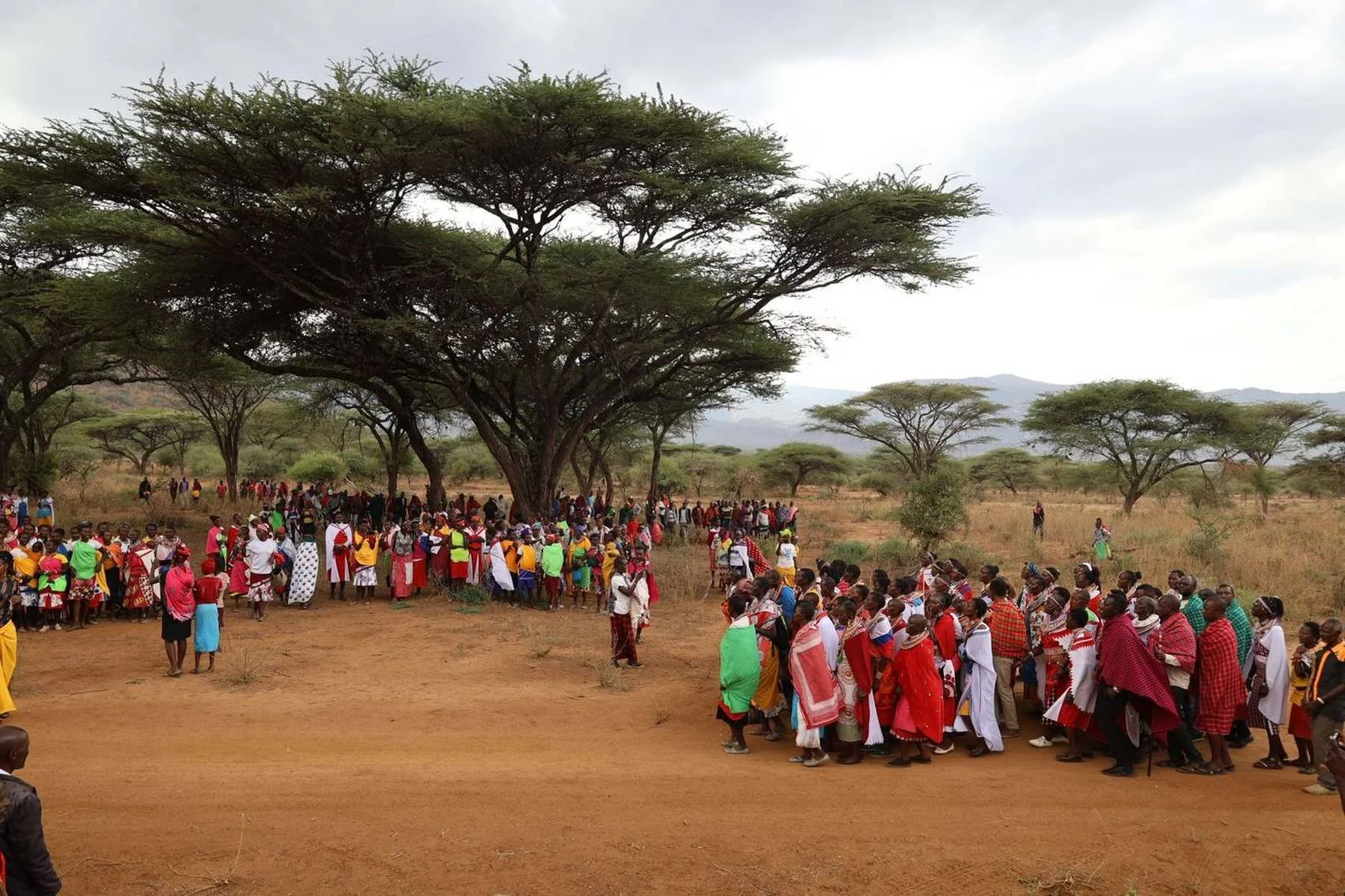
Resourcing the people who protect nature
Cash for Conservation (C4C) is both an approach and a global community of practice committed to addressing poverty and biodiversity loss.
We represent over 75 members who are testing, researching and advocating for the use of unconditional, direct cash transfers to strengthen livelihoods and deliver natural outcomes in communities on the frontlines of the climate crisis.
Conservation finance rarely reaches the people it should
Less than one per cent of official development assistance for climate mitigation and adaptation over a decade supported Indigenous Peoples' and local communities' tenure and forest management. About $270 million a year.
Rainforest Foundation Norway, Falling Short, 2021, research by InduforOf the funding that is earmarked for Indigenous and community forest tenure, only a sixth goes to activities naming an Indigenous or local community organisation. The rest is absorbed by intermediaries.
Rainforest Foundation Norway and Rights and Resources Initiative, Funding with Purpose, 2022Across GiveDirectly's five poverty relief countries, transfers account for over 70 and up to 85 per cent of total programme cost, as independently assessed by GiveWell. Cash is already delivered at scale: $6.6bn of humanitarian assistance went out this way in 2024, close to a fifth of the total.
GiveWell, updated October 2025; humanitarian volume from CALP Network, 2025
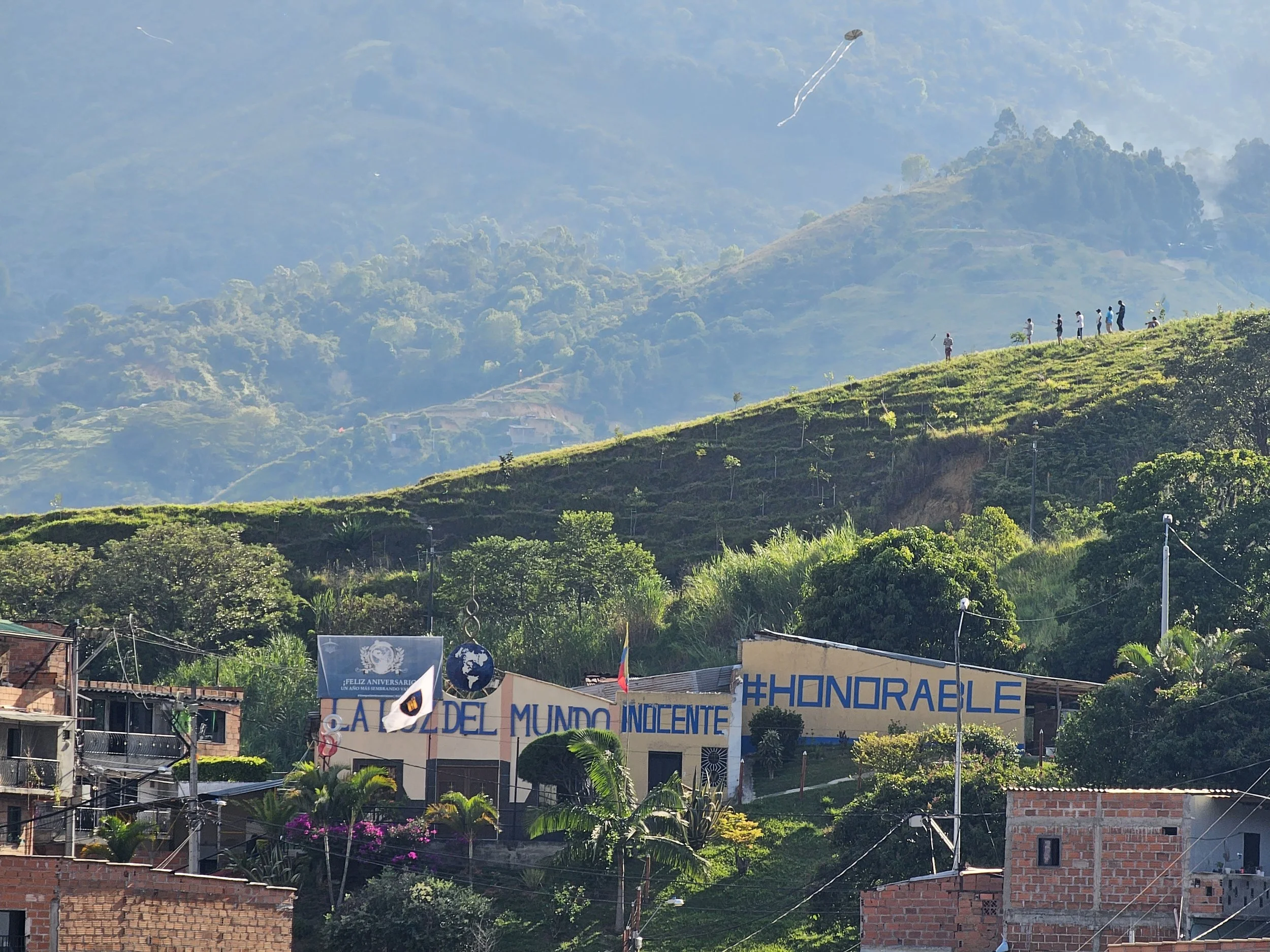
The richest places for nature are among the poorest places to live
The communities living closest to the world’s forests and rangelands are also among its poorest. Protecting nature costs them income they do not have.
People living below the international poverty line live in rural areas, where livelihoods depend most directly on land, forest and water.
World Bank, Poverty and Shared Prosperity, 2020Rural people lived within five kilometres of a forest in 2012. Seventy-one per cent of them were in low and middle income countries.
Newton et al., One Earth, 2020Indigenous Peoples' lands span more than a quarter of the land surface, and intersect around forty per cent of protected areas and ecologically intact landscapes.
Garnett et al., Nature Sustainability, 2018
The hypothesis we are testing
Poverty is driving reliance on extractive livelihoods and weakens conservation incentives. Giving cash unconditionally addresses poverty. Therefore cash can also address biodiversity loss.
This is a hypothesis, not a finding. Our members are testing it across projects on four continents, and our resource library collects what the literature says so far.
Find out more
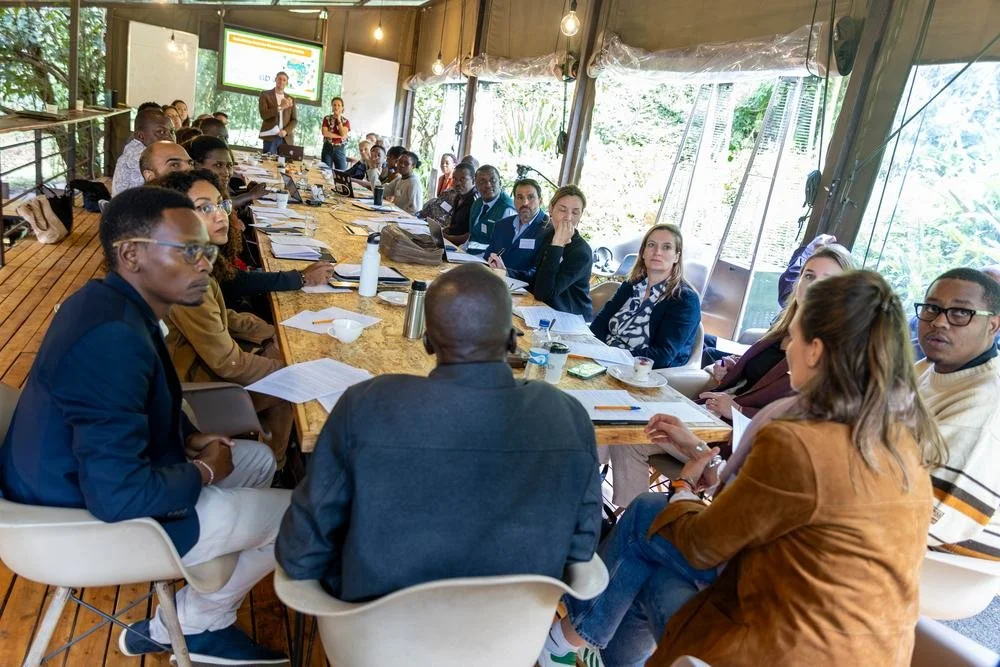 AboutWho we are, what we believe, and how the network is organisedGo to About →
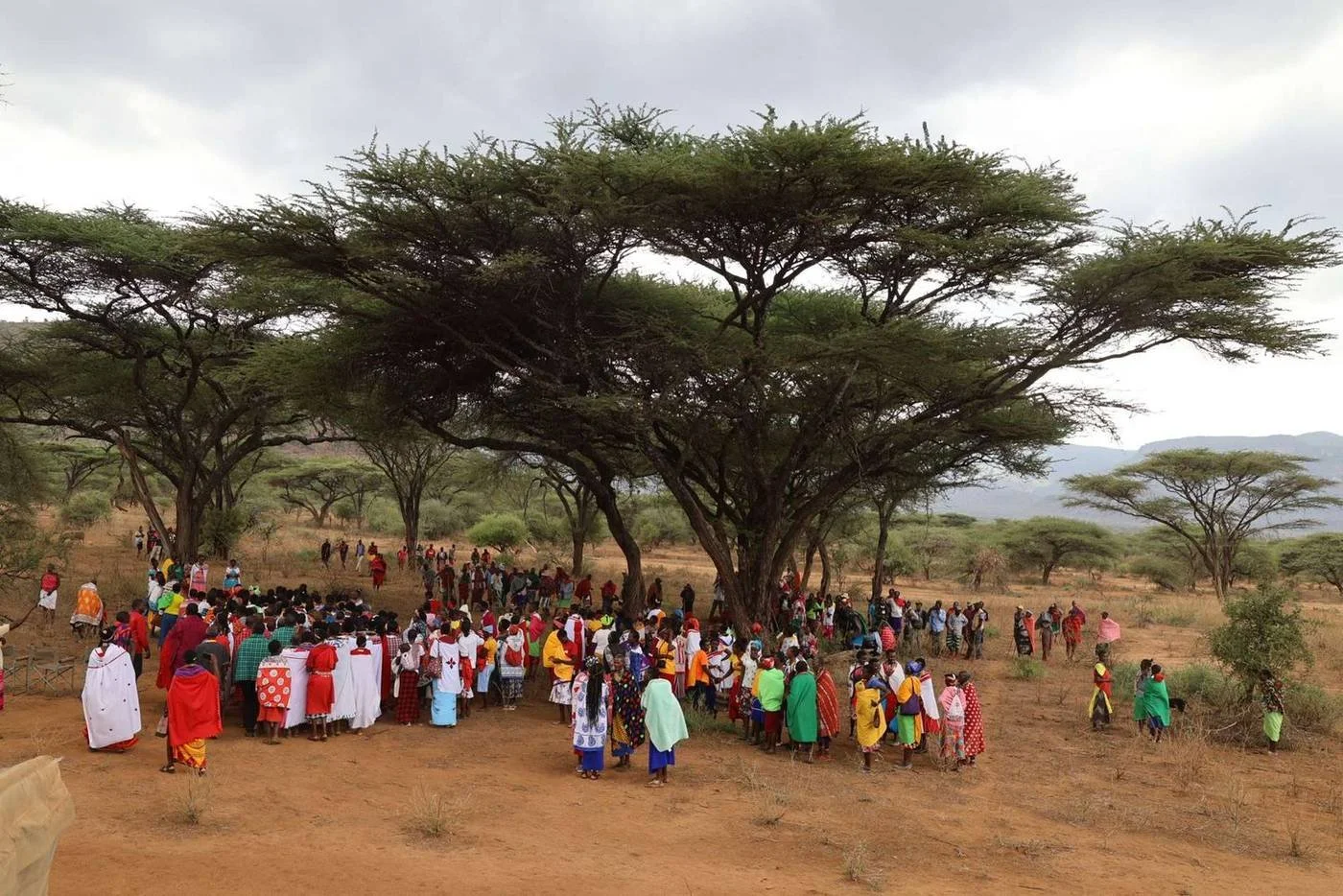 ProjectsWhere Cash for Conservation is being tested, and what stage each project has reachedGo to Projects →
 ResourcesA searchable library of the evidence, literature and coverage on cash for conservationGo to Resources →
 Get InvolvedJoin the network, support the work, or talk to us about the pressGo to Get Involved →